Welcome to Historic Santa Fe
Historic Santa Fe offers a lifestyle that blends culture, architecture, walkability, and natural beauty in a way few cities in the United States can match. Residents are drawn to the area for its historic adobe neighborhoods, vibrant arts community, renowned dining scene, and deep connection to the history and traditions of northern New Mexico.
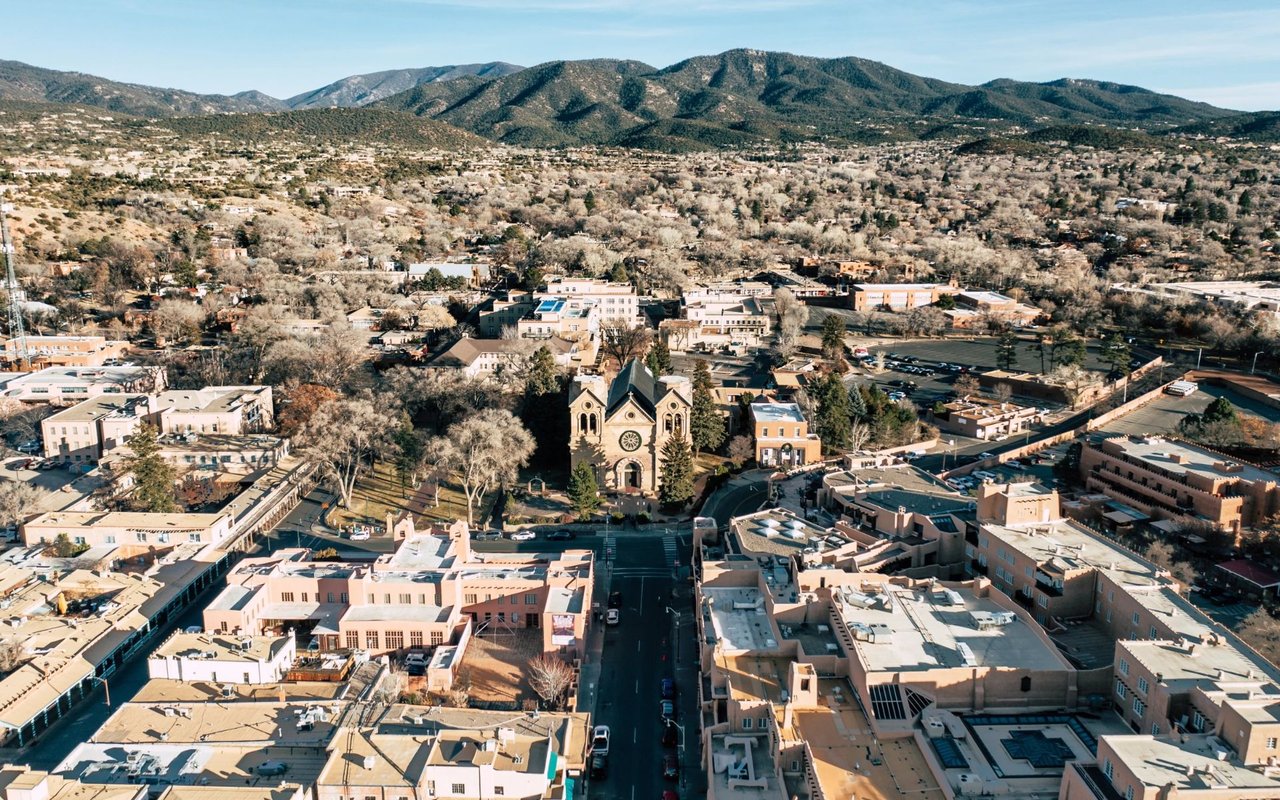
Many of Santa Fe’s most desirable in-town neighborhoods are located near the Santa Fe Plaza, Canyon Road, the Railyard District, and the Eastside. These areas are known for their historic homes, mature landscaping, winding streets, and proximity to galleries, museums, restaurants, boutiques, and year-round cultural events. Buyers are often attracted to the ability to walk to coffee shops, farmers markets, live music, and some of the most recognized art galleries in the Southwest.
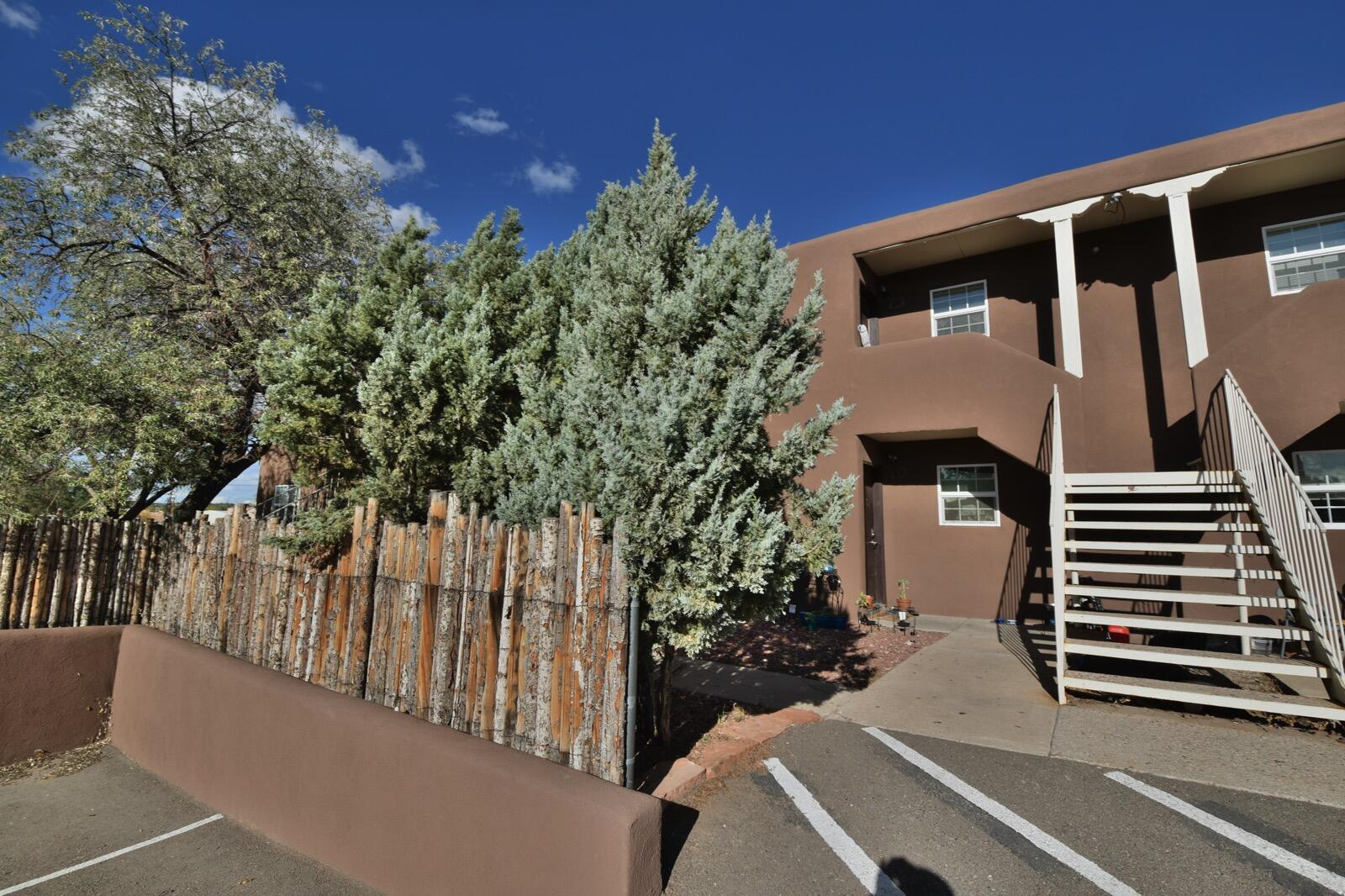
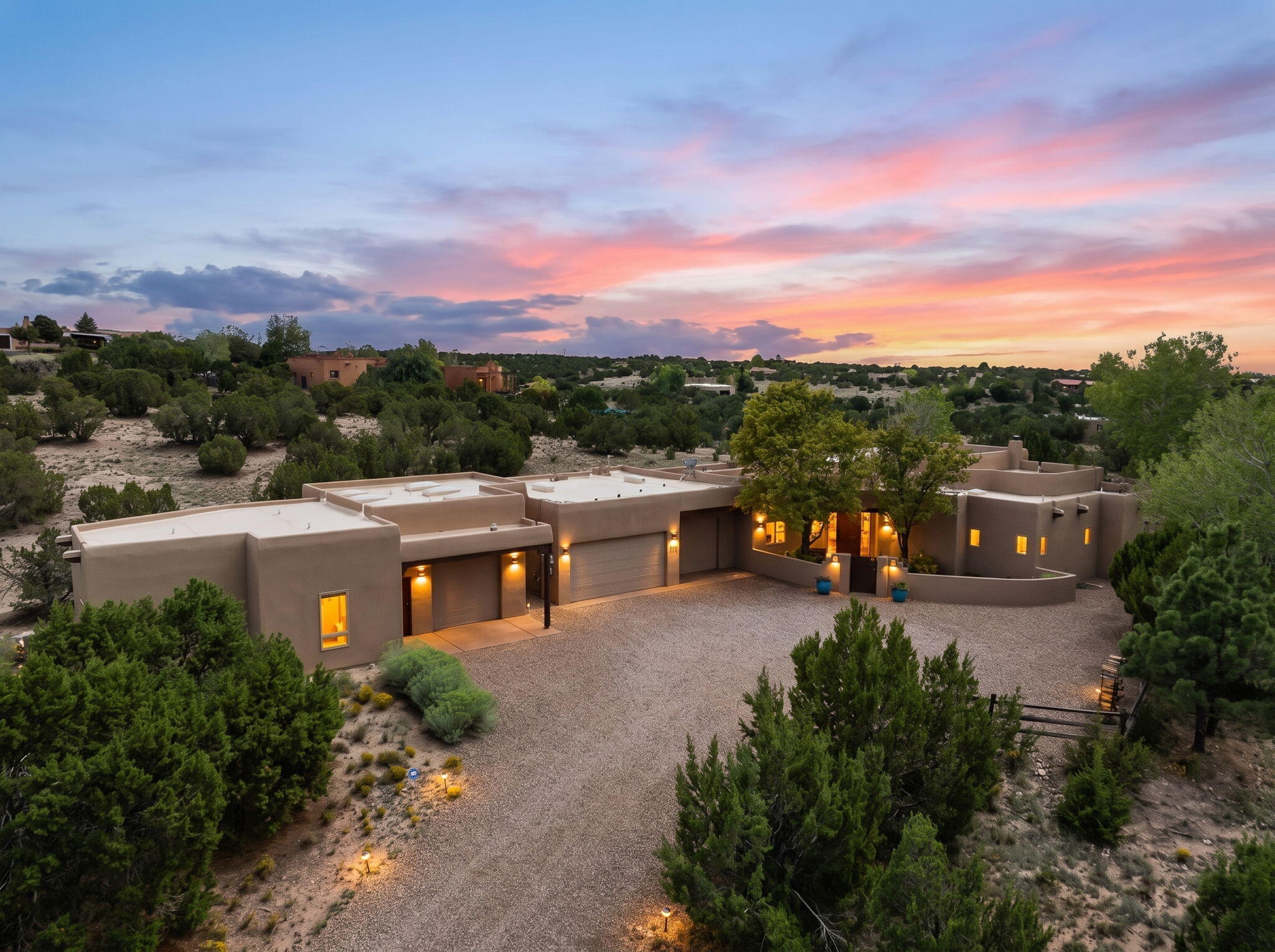
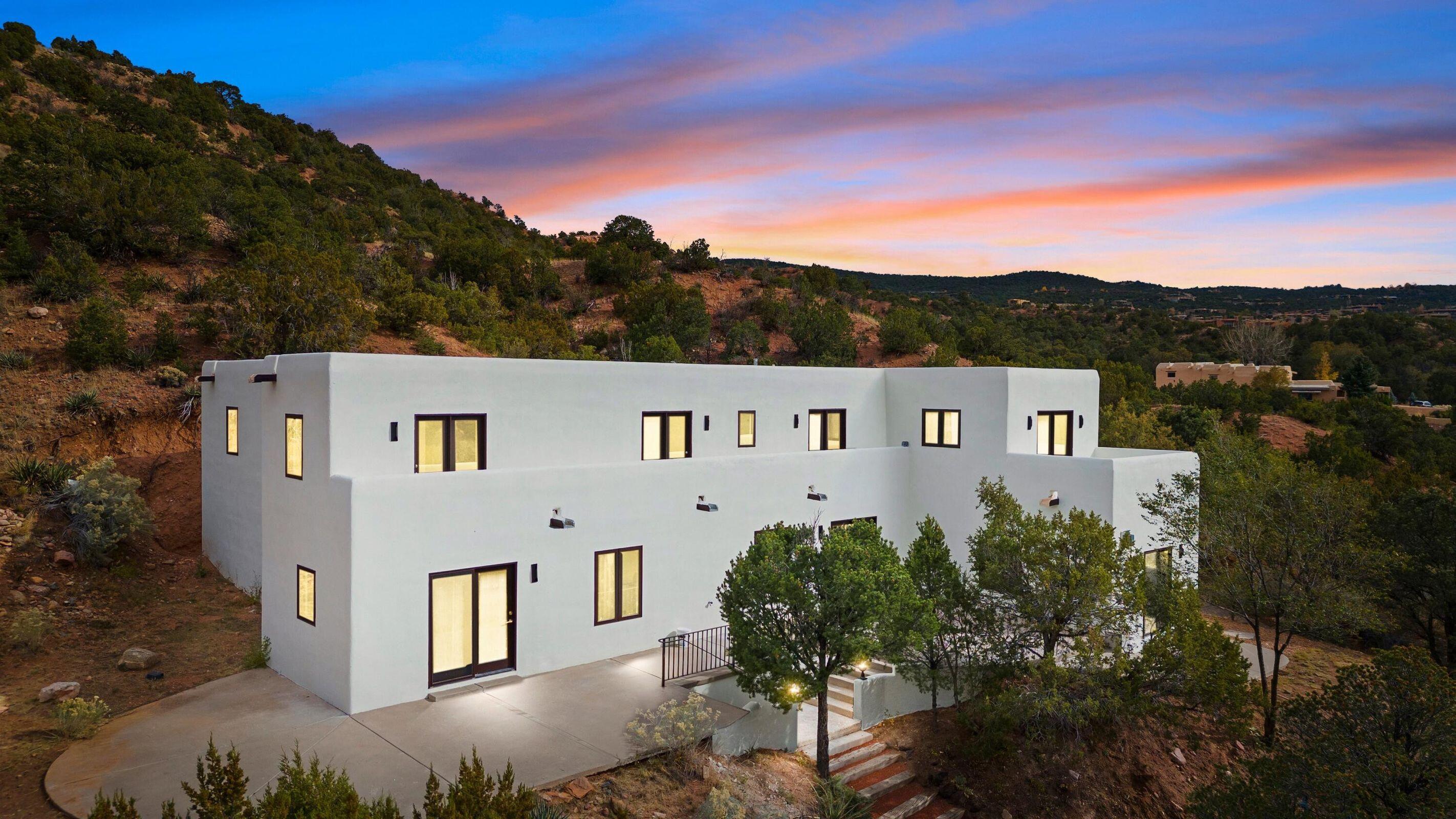
Historic Santa Fe is also known for its distinctive architecture. Adobe homes, enclosed courtyards, vigas, kiva fireplaces, and thick plaster walls create a sense of character and authenticity that many buyers cannot find elsewhere. Preservation efforts throughout the city have helped maintain the visual identity and charm that continue to define Santa Fe today.
Beyond the city itself, residents enjoy easy access to outdoor recreation and mountain scenery. The Sangre de Cristo Mountains rise above the city, providing hiking, skiing, horseback riding, and trail access just minutes from downtown. The surrounding landscape, combined with Santa Fe’s four distinct seasons and dramatic sunsets, contributes to the city’s appeal year-round.
Santa Fe also attracts residents seeking a slower pace of life paired with a strong cultural and intellectual community. The city is home to world-class museums, opera, markets, festivals, and educational institutions that create an atmosphere centered around art, history, and creativity.
For many buyers, living in Historic Santa Fe is about more than owning a home—it is about experiencing a lifestyle rooted in architecture, culture, walkability, natural beauty, and a strong sense of place that continues to make Santa Fe one of the most desirable communities in the Southwest.
HISTORY
Santa Fe is one of the oldest capital cities in the United States and remains one of the most historically significant communities in the Southwest. Long before Spanish settlement, the region surrounding present-day Santa Fe was home to Pueblo peoples whose communities and trade networks extended throughout northern New Mexico for centuries.
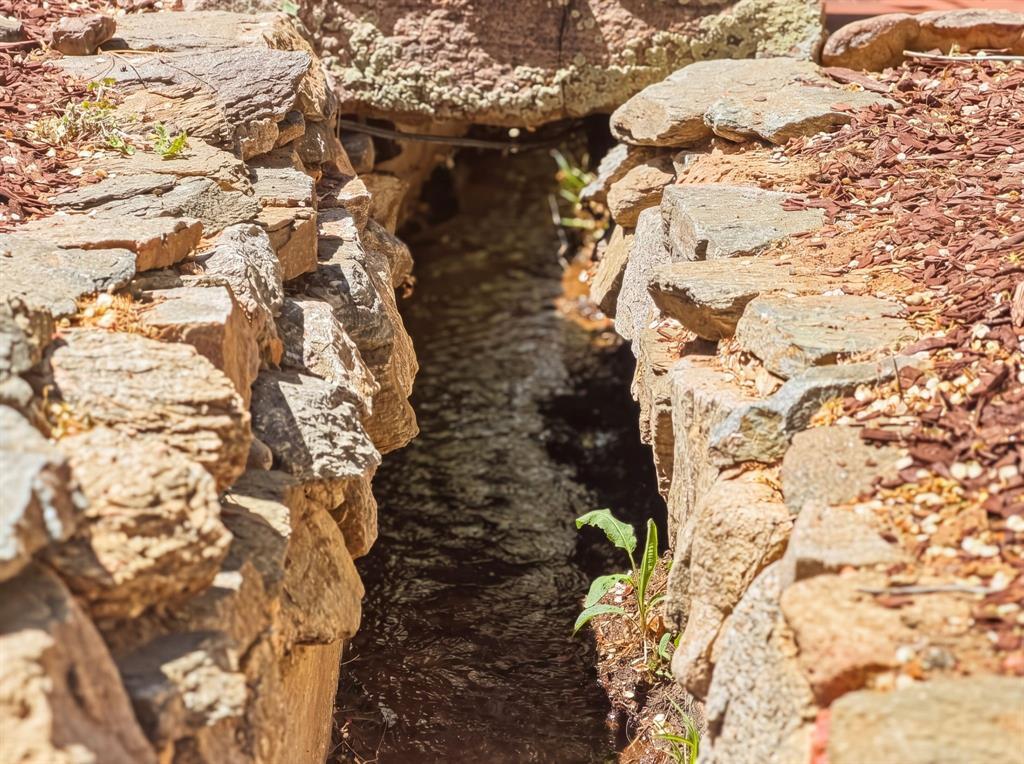
In 1610, Spanish governor Pedro de Peralta formally established Santa Fe as the capital of the province of Nuevo México, making it the oldest state capital in the United States. The city quickly became an important center for government, trade, religion, and military activity in the northern frontier of New Spain. Spanish settlers constructed adobe homes, churches, plazas, and irrigation systems that helped shape the city’s distinctive architectural character still visible today.
During the late 1600s, tensions between Spanish settlers and Pueblo communities led to the Pueblo Revolt of 1680, one of the most significant Indigenous uprisings in North American history. Pueblo forces temporarily drove the Spanish from Santa Fe before Spanish rule was reestablished in 1692. Over time, Pueblo, Spanish, and later Anglo influences blended together to form the unique cultural identity that continues to define Santa Fe.
Throughout the 1800s, Santa Fe developed as a major trade destination along the Santa Fe Trail, connecting Missouri to the Southwest. Merchants, traders, and settlers traveled through the city, contributing to economic growth and expanding cultural influences throughout the region.
Following the arrival of the railroad in New Mexico during the late 19th century, Santa Fe evolved into an important center for art, tourism, and culture. Artists, writers, and architects were drawn to the city’s landscapes, adobe architecture, and multicultural history. Preservation efforts during the early 1900s helped establish the “Santa Fe Style,” a blend of Pueblo and Spanish-inspired architecture that became closely associated with the city.
Today, Historic Santa Fe includes many of the city’s most recognizable neighborhoods and landmarks, including the Santa Fe Plaza, Canyon Road, the Railyard District, and the Eastside. The city remains internationally recognized for its history, architecture, art galleries, cuisine, and enduring connection to the cultural traditions of northern New Mexico.
HIGHLIGHTS
Santa Fe Plaza
Santa Fe Plaza serves as the historic heart of the city and has remained a central gathering place for more than 400 years. Residents enjoy year-round events, local markets, restaurants, museums, and walkable access to many of Santa Fe’s most iconic destinations.
Canyon Road
Canyon Road is internationally recognized for its concentration of art galleries, historic adobe buildings, and creative atmosphere. The area blends fine art, architecture, gardens, restaurants, and walkable charm unlike anywhere else in the Southwest.
Historic Adobe Architecture
Historic Santa Fe is known for its distinctive adobe homes featuring thick plaster walls, vigas, kiva fireplaces, and enclosed courtyards. Preservation efforts throughout the city have helped maintain the architectural character that continues to define Santa Fe today.
Walkability
Many of Santa Fe’s historic neighborhoods allow residents to walk to restaurants, galleries, coffee shops, boutiques, and local events. The city’s pedestrian-friendly layout is a major draw for buyers seeking an active in-town lifestyle.
The Railyard District
The Santa Fe Railyard has become one of the city’s most vibrant mixed-use districts with restaurants, galleries, farmers' markets, performance venues, and community gathering spaces. The district combines modern development with Santa Fe’s historic character and cultural atmosphere.
Santa Fe Farmers Market
Santa Fe Farmers Market is one of the most respected farmers' markets in the country, connecting residents with local farms, ranches, artisans, and food producers. The market contributes to the strong sense of community and local culture found throughout the city.
Art Galleries & Museums
Santa Fe is home to hundreds of galleries and numerous museums that support one of the largest art markets in the United States. Residents enjoy direct access to world-class art, exhibitions, cultural events, and creative communities year-round.
Dining & Culinary Scene
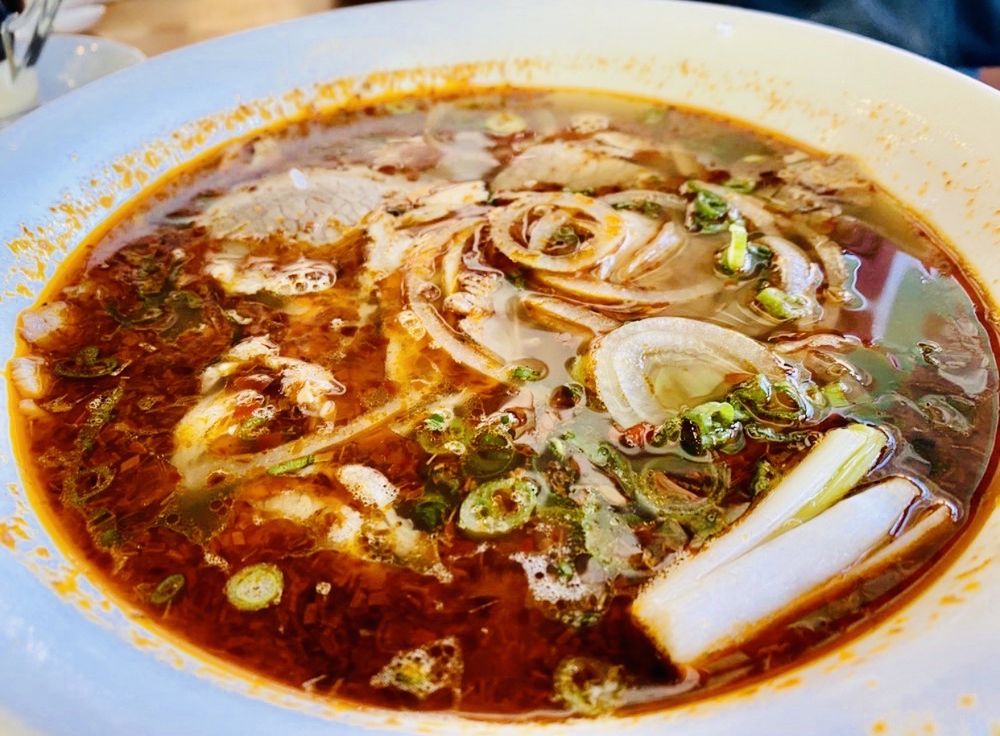
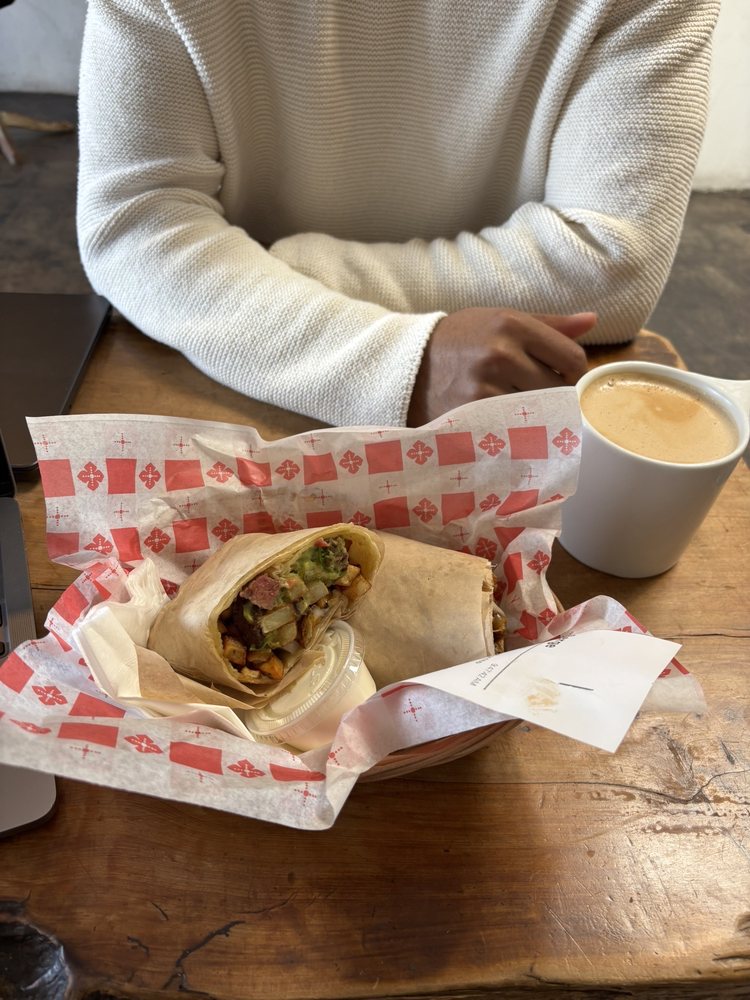
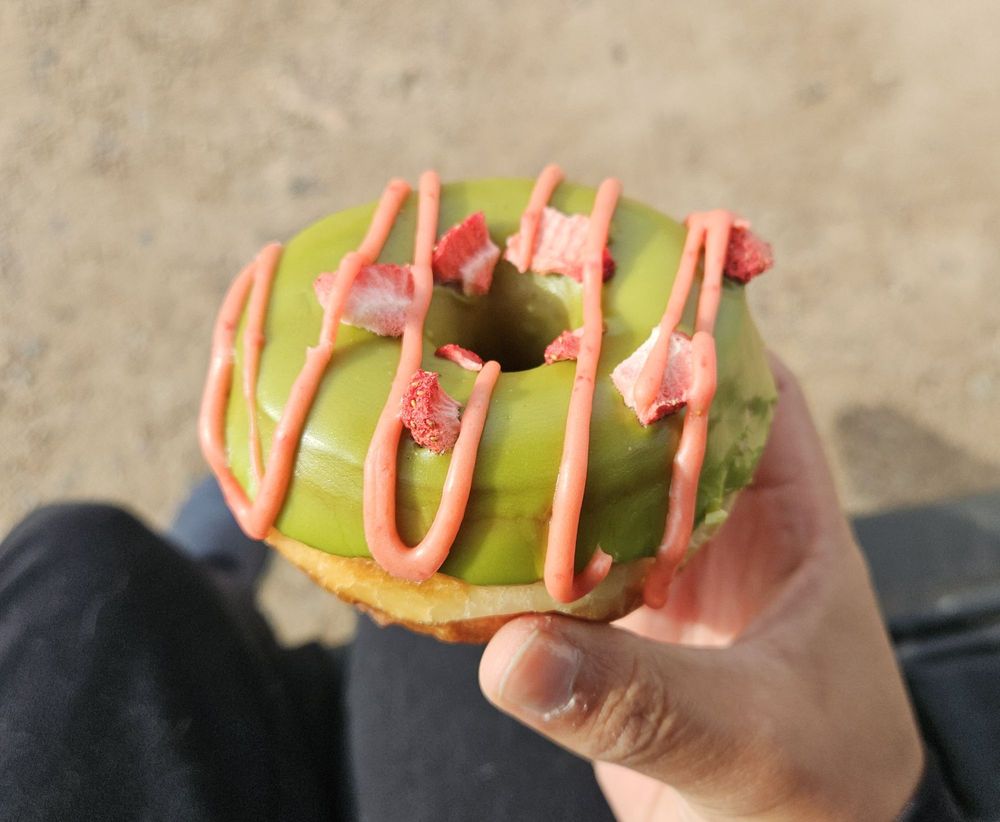
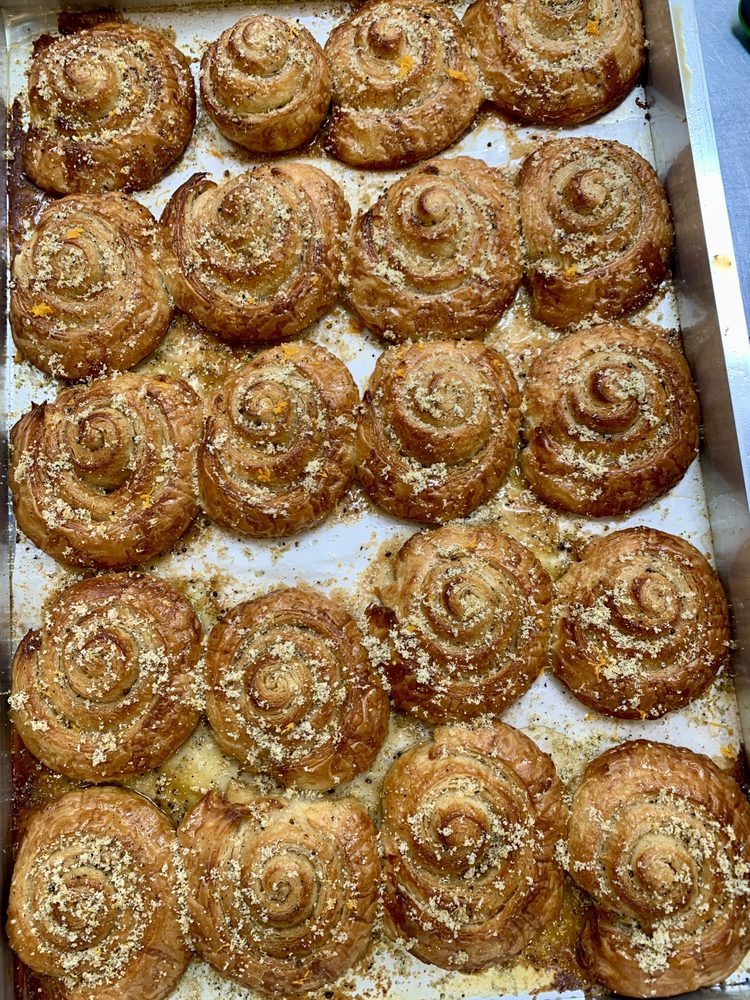
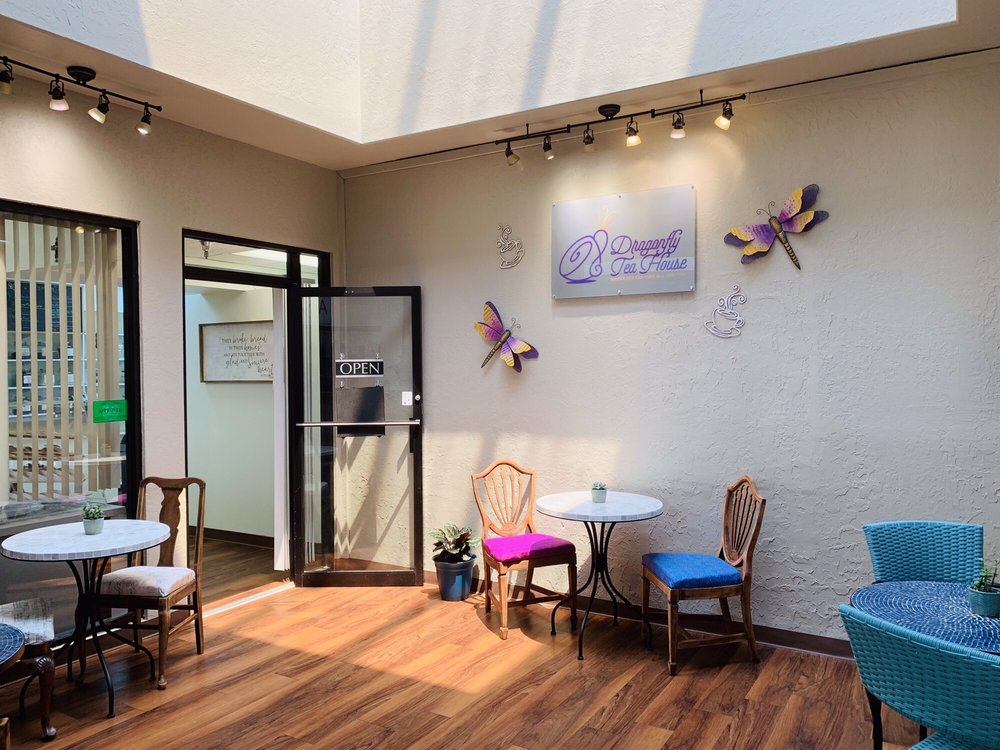
Historic Santa Fe offers a nationally recognized dining scene that blends traditional New Mexican cuisine with contemporary fine dining. Residents enjoy locally owned restaurants, outdoor patios, wine bars, bakeries, and chef-driven concepts throughout the city.
The Sangre de Cristo Mountains
The Sangre de Cristo Mountains provide a dramatic backdrop to Santa Fe and offer year-round outdoor recreation just minutes from downtown. Residents enjoy hiking, skiing, mountain biking, and scenic drives throughout the nearby mountain terrain.
Four Distinct Seasons
Santa Fe experiences four distinct seasons with sunny weather throughout much of the year. Seasonal snowfall, colorful autumn landscapes, mild summers, and dramatic sunsets contribute to the city’s year-round appeal.
Historic Eastside
The Historic Eastside is one of Santa Fe’s most sought-after residential neighborhoods, known for winding streets, mature landscaping, and historic adobe estates. Many buyers are drawn to the area for its proximity to Canyon Road and downtown Santa Fe.
Luxury Real Estate
Historic Santa Fe includes some of northern New Mexico’s most desirable luxury properties, ranging from restored adobe homes to architect-designed estates. Buyers are often attracted to the area’s privacy, craftsmanship, and connection to the landscape.
Santa Fe Opera
Santa Fe Opera is internationally recognized for its performances and iconic open-air theater overlooking the surrounding mountains. The opera season attracts visitors and residents from around the world each summer.
Cultural Festivals & Events
Santa Fe hosts year-round festivals, markets, and cultural events celebrating art, music, film, food, and Native American traditions. These events contribute to the city’s lively atmosphere and strong cultural identity.
Outdoor Recreation
Residents enjoy convenient access to hiking trails, skiing, mountain biking, horseback riding, and public lands throughout the surrounding mountains and forests. The combination of outdoor recreation and city amenities is one of Santa Fe’s biggest lifestyle draws.
Historic Churches & Landmarks
Historic churches, adobe buildings, and preserved landmarks throughout Santa Fe reflect centuries of Pueblo, Spanish, and territorial history. These structures contribute to the city’s unique sense of place and architectural identity.
Local Boutiques & Shopping
Santa Fe’s locally owned boutiques, jewelers, bookstores, and artisan shops create a shopping experience centered around craftsmanship and independent businesses. Residents appreciate the city’s emphasis on local culture and creativity.
Mature Landscaping & Courtyards
Many historic properties feature enclosed courtyards, mature cottonwoods, and traditional landscaping that add to the charm of in-town living. The combination of adobe architecture and private outdoor spaces creates a distinct residential atmosphere.
Slower Pace of Life
Despite being an internationally recognized destination, Santa Fe maintains a slower pace of life compared to larger metropolitan areas. Many residents are drawn to the city for its relaxed atmosphere, creative community, and strong connection to nature and culture.
Deep Cultural History
Santa Fe’s blend of Pueblo, Spanish, Mexican, and Anglo influences creates one of the most culturally rich communities in the United States. Residents value the city’s longstanding traditions, artistic heritage, and enduring connection to the history of northern New Mexico.