Welcome to Pecos
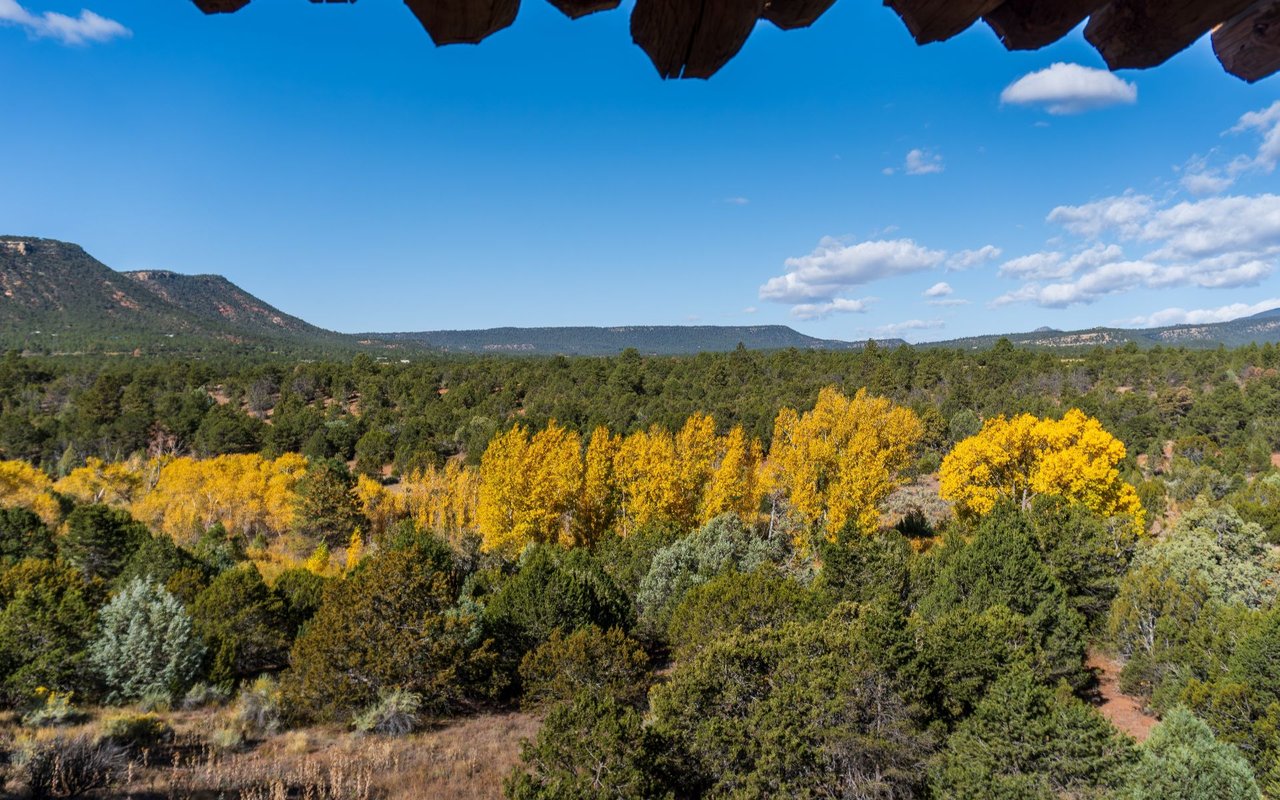
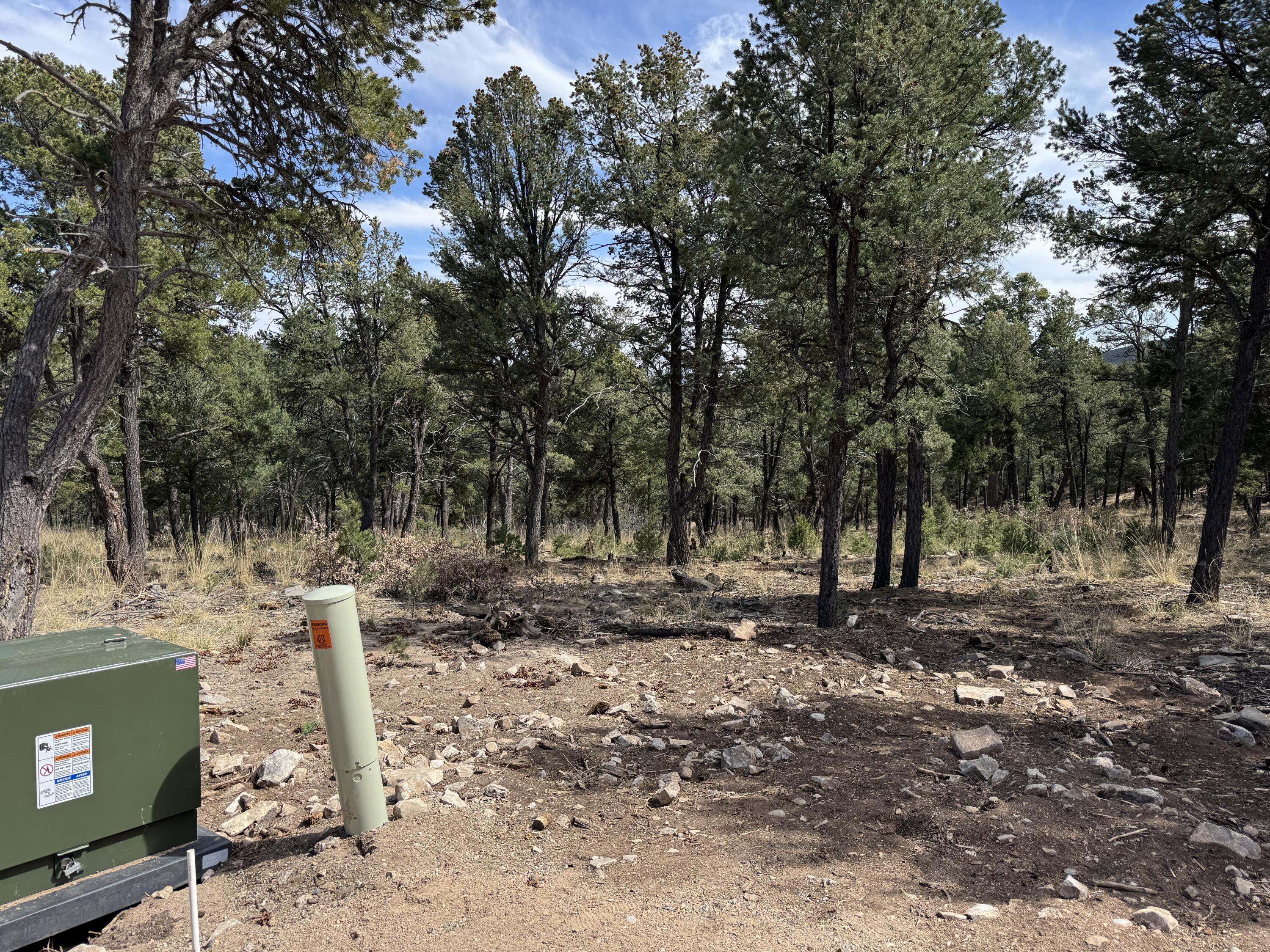
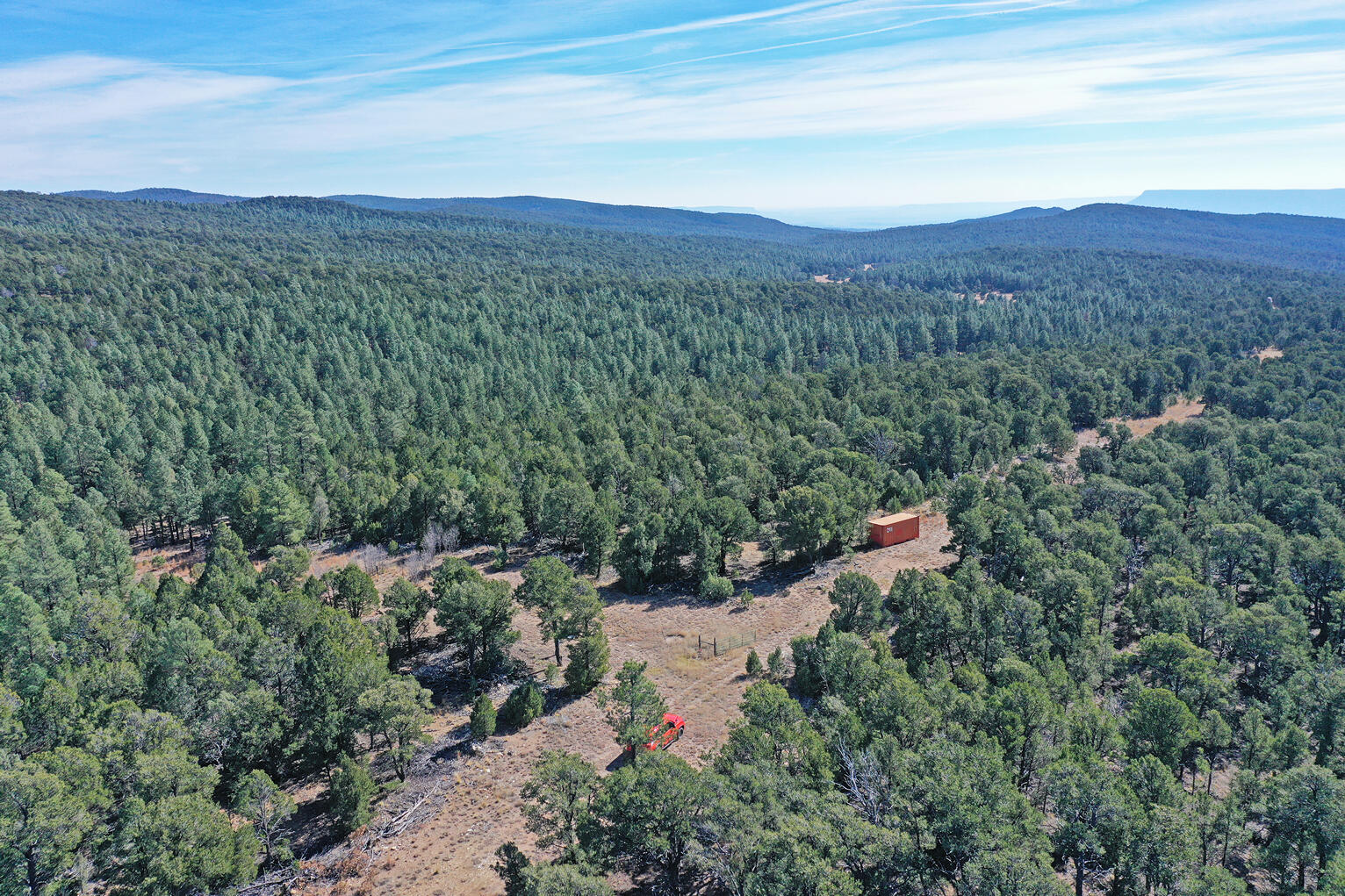
Pecos is known for its mountain landscapes, outdoor recreation, and peaceful setting at the edge of the Sangre de Cristo Mountains. Surrounded by forests, rivers, and scenic wilderness areas, Pecos attracts residents looking for a quieter lifestyle with direct access to nature while remaining within driving distance of Santa Fe.
One of the area’s biggest draws is its proximity to the Pecos Wilderness and the Santa Fe National Forest. Residents enjoy hiking, camping, fishing, horseback riding, and exploring miles of trails throughout the surrounding mountains. The Pecos River and nearby alpine lakes also make the area especially popular for fly fishing and outdoor recreation year-round.
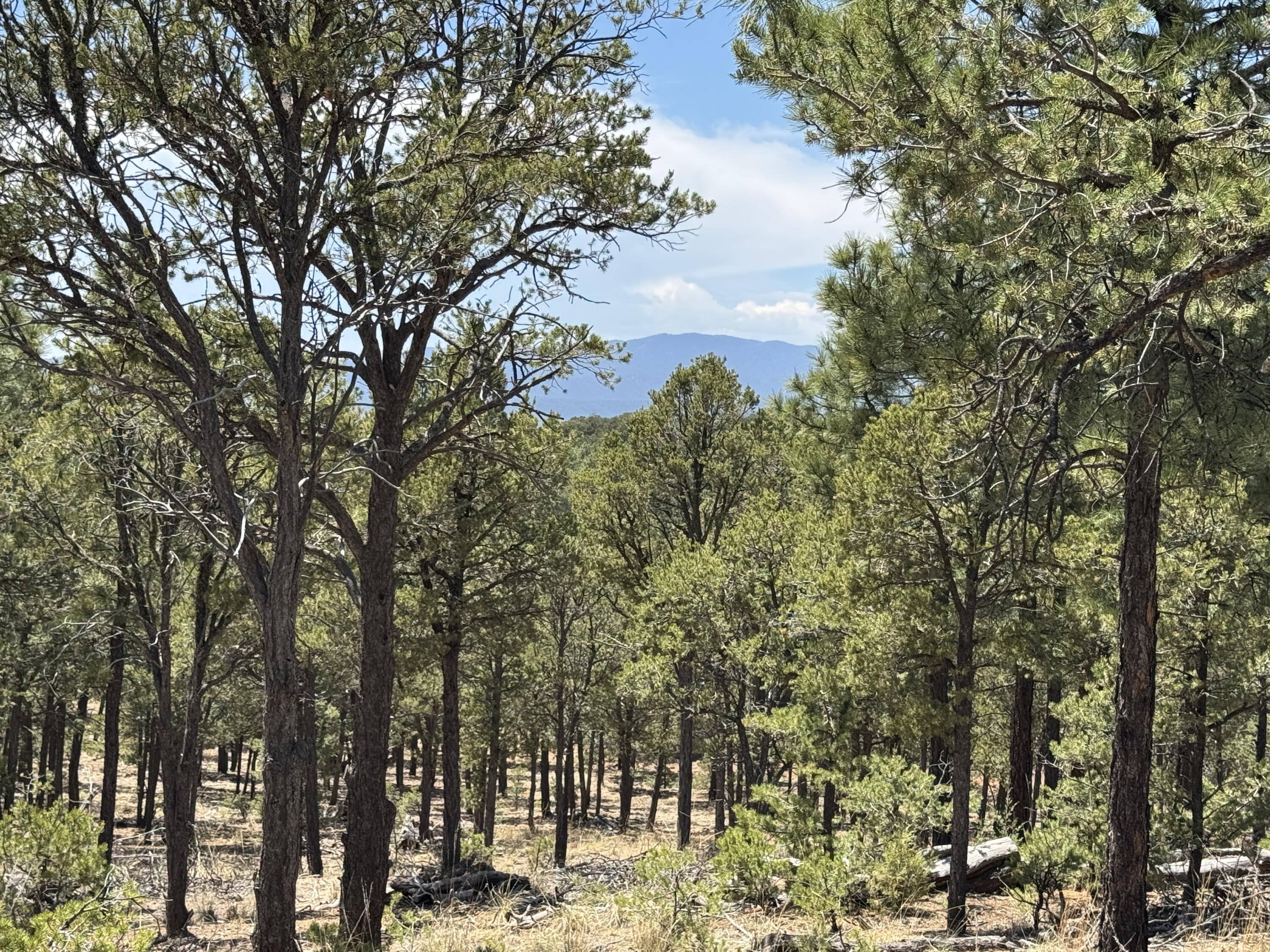
Many buyers are drawn to Pecos for its combination of natural beauty, privacy, and larger properties surrounded by trees and mountain views. The area offers a slower pace of life while still providing convenient access to Santa Fe’s restaurants, healthcare, shopping, and cultural amenities. For those seeking mountain living, outdoor adventure, and a strong connection to northern New Mexico’s landscape and history, Pecos continues to be a highly desirable place to call home.
HISTORY
Pecos has one of the richest cultural histories in northern New Mexico, with human settlement in the region dating back thousands of years. Long before Spanish arrival, the area was home to Pecos Pueblo, a major trading center connecting Pueblo communities of the Rio Grande Valley with tribes from the Great Plains. Its location along natural travel routes made Pecos an important center for commerce, culture, and communication throughout the Southwest.
In 1540, Spanish explorer Francisco Vásquez de Coronado arrived in the region during his expedition through present-day New Mexico. Over the following century, Spanish influence expanded into the area, leading to the construction of mission churches and increased trade between Spanish settlers and Pueblo communities. The remains of Pecos Pueblo and the Spanish mission church are now preserved within Pecos National Historical Park.
During the 1800s, Pecos continued to develop as a small agricultural and ranching community supported by nearby forests, waterways, and trade routes through the Sangre de Cristo Mountains. Today, the area remains closely connected to its deep cultural history while continuing to serve as a gateway to the mountains, forests, and wilderness areas of northern New Mexico.
HIGHLIGHTS
Village on the Pecos River
The village of Pecos is situated along the Pecos River, providing residents with access to one of northern New Mexico’s most scenic waterways. The river adds to the area’s natural beauty while supporting fishing, recreation, wildlife, and the agricultural history of the community.
Access Point to Highway 63
Pecos serves as the primary gateway to Highway 63, the scenic mountain road leading into the Pecos Canyon and surrounding wilderness areas. The highway provides direct access to campgrounds, trailheads, fishing areas, alpine lakes, and the higher elevations of the Santa Fe National Forest.
Fly Fishing
The Pecos River is widely regarded as one of the best fly fishing destinations in northern New Mexico, attracting anglers throughout the year. Cold mountain waters, public access areas, and nearby wilderness streams make the region especially desirable for outdoor enthusiasts and sportsmen.
Mountains
Surrounded by the Sangre de Cristo Mountains, Pecos offers dramatic scenery, cooler temperatures, and access to year-round outdoor recreation. Residents enjoy hiking, horseback riding, camping, wildlife viewing, and miles of forested mountain terrain just minutes from town.
Pecos Canyon
The Pecos Canyon is known for its towering pines, flowing river, and some of the most sought-after mountain properties in northern New Mexico. Luxury homes and private estates tucked throughout the canyon offer privacy, natural beauty, and easy access to both wilderness recreation and Santa Fe.