Welcome to San Miguel County
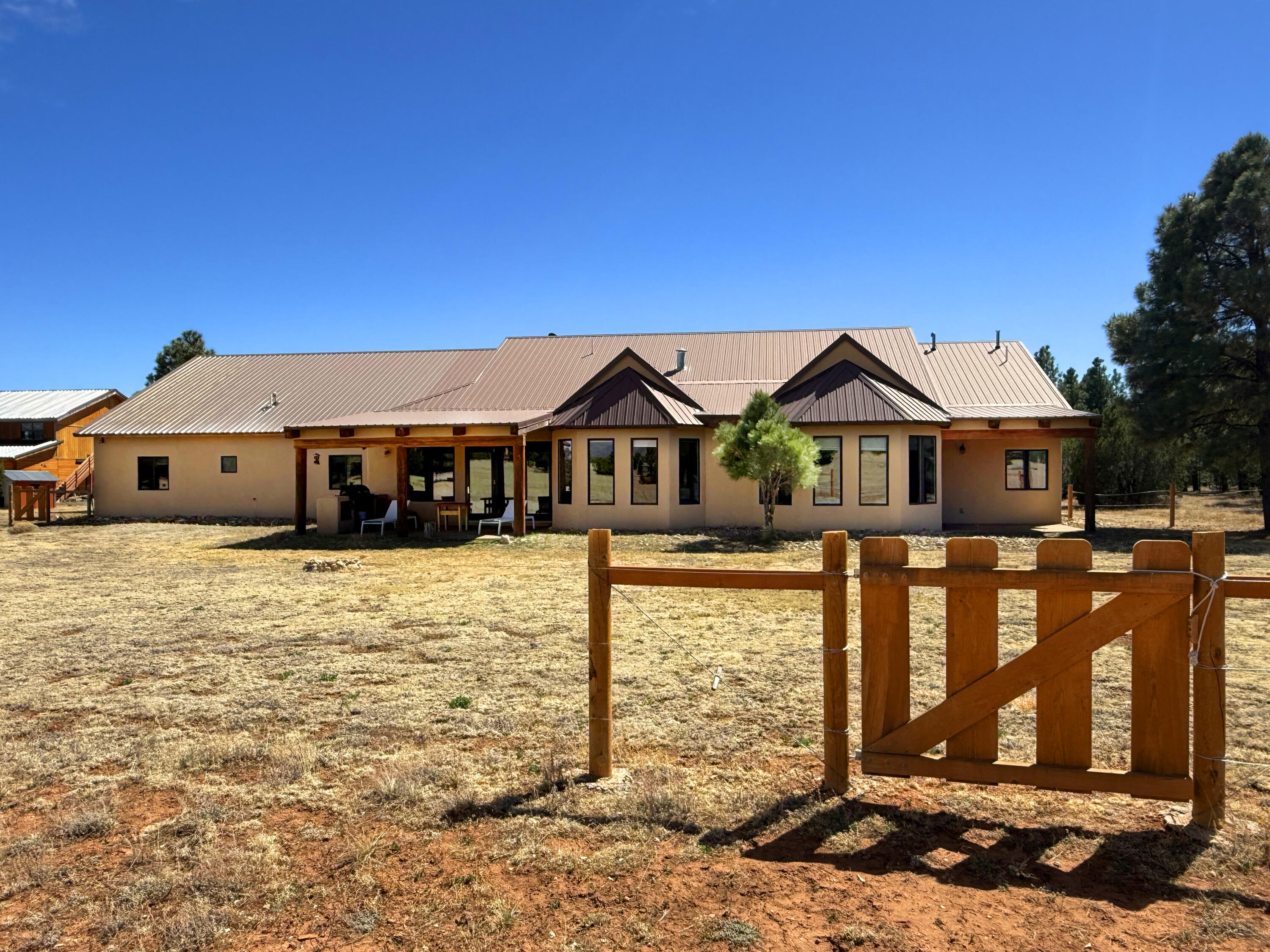
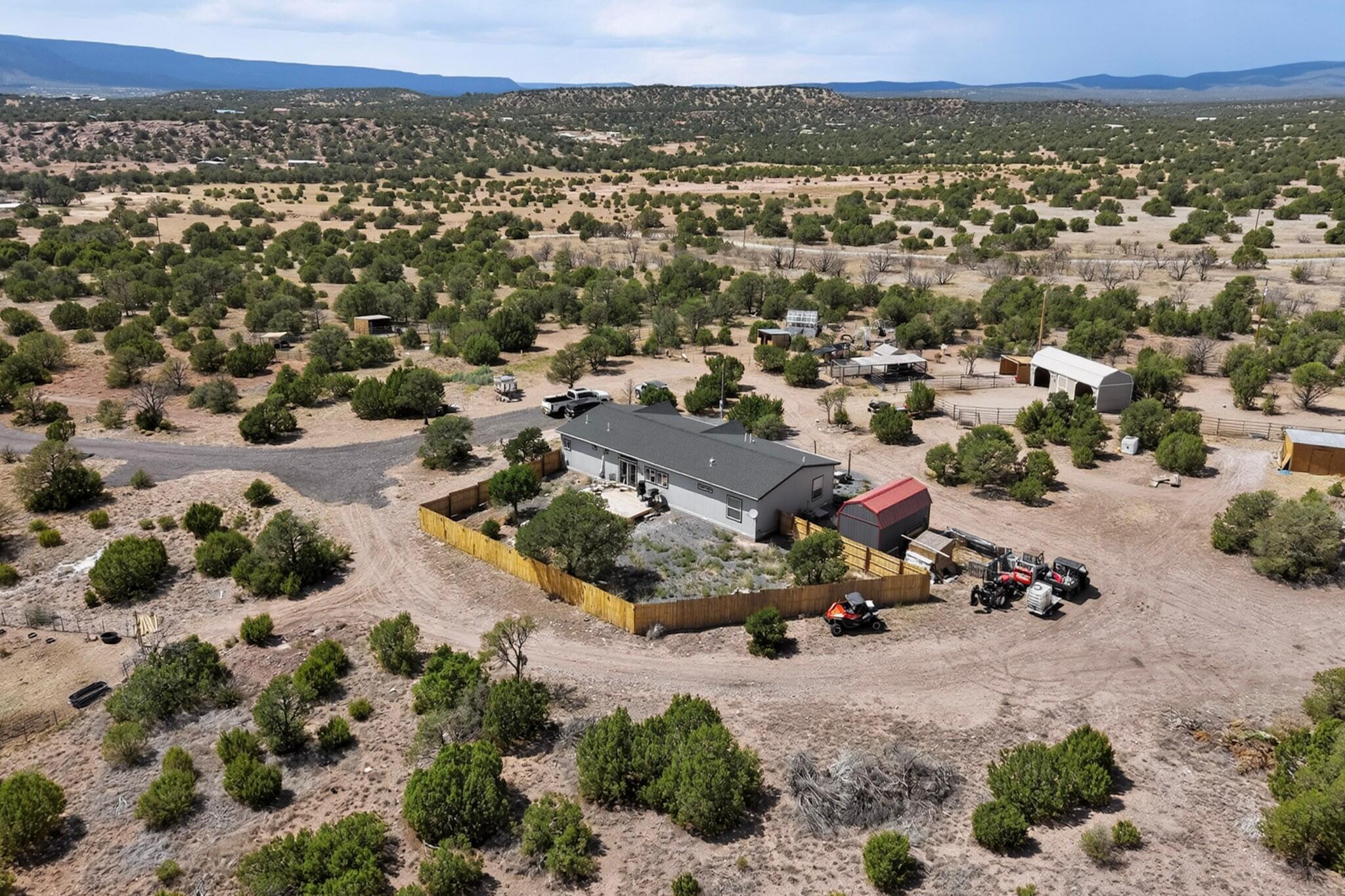
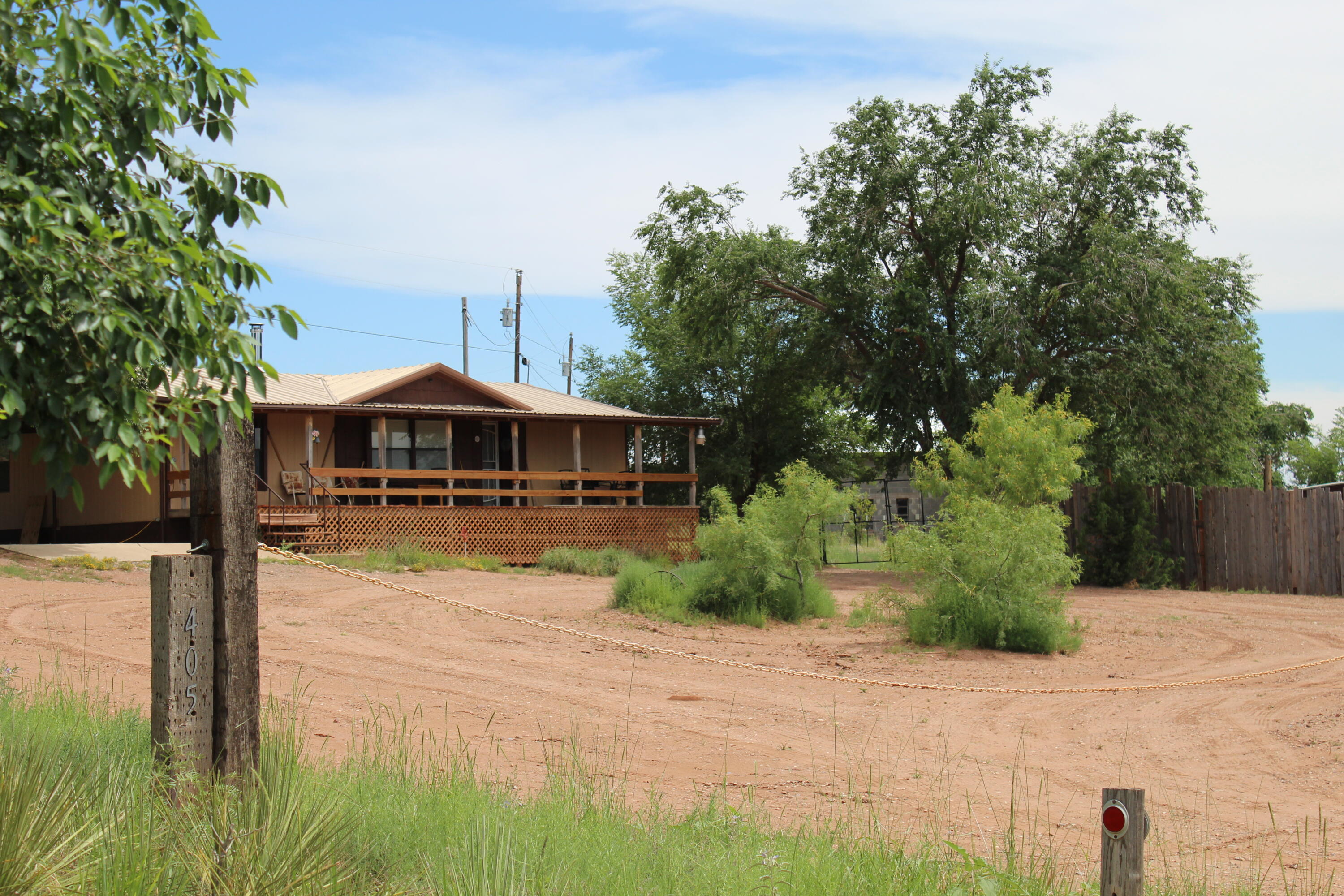
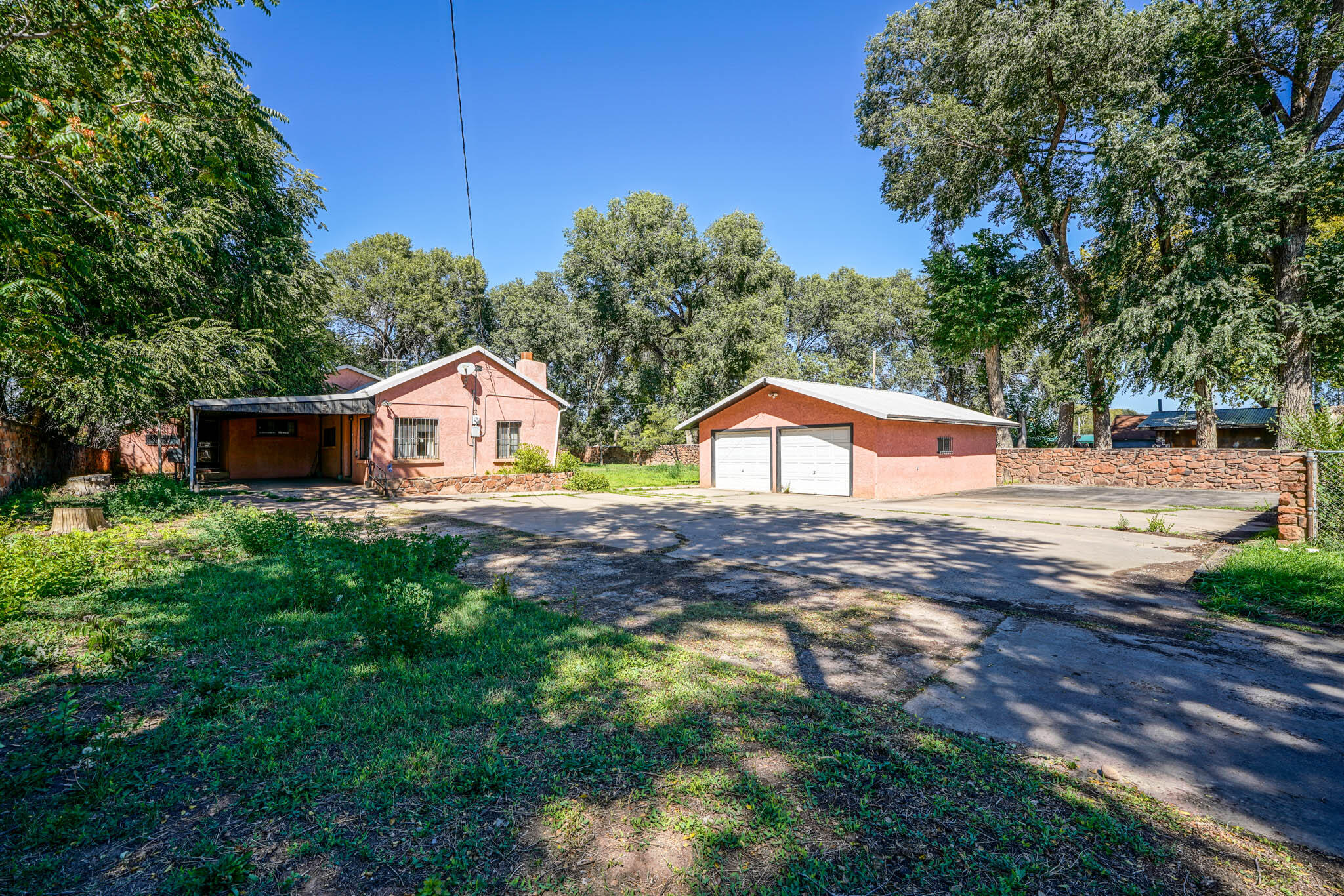
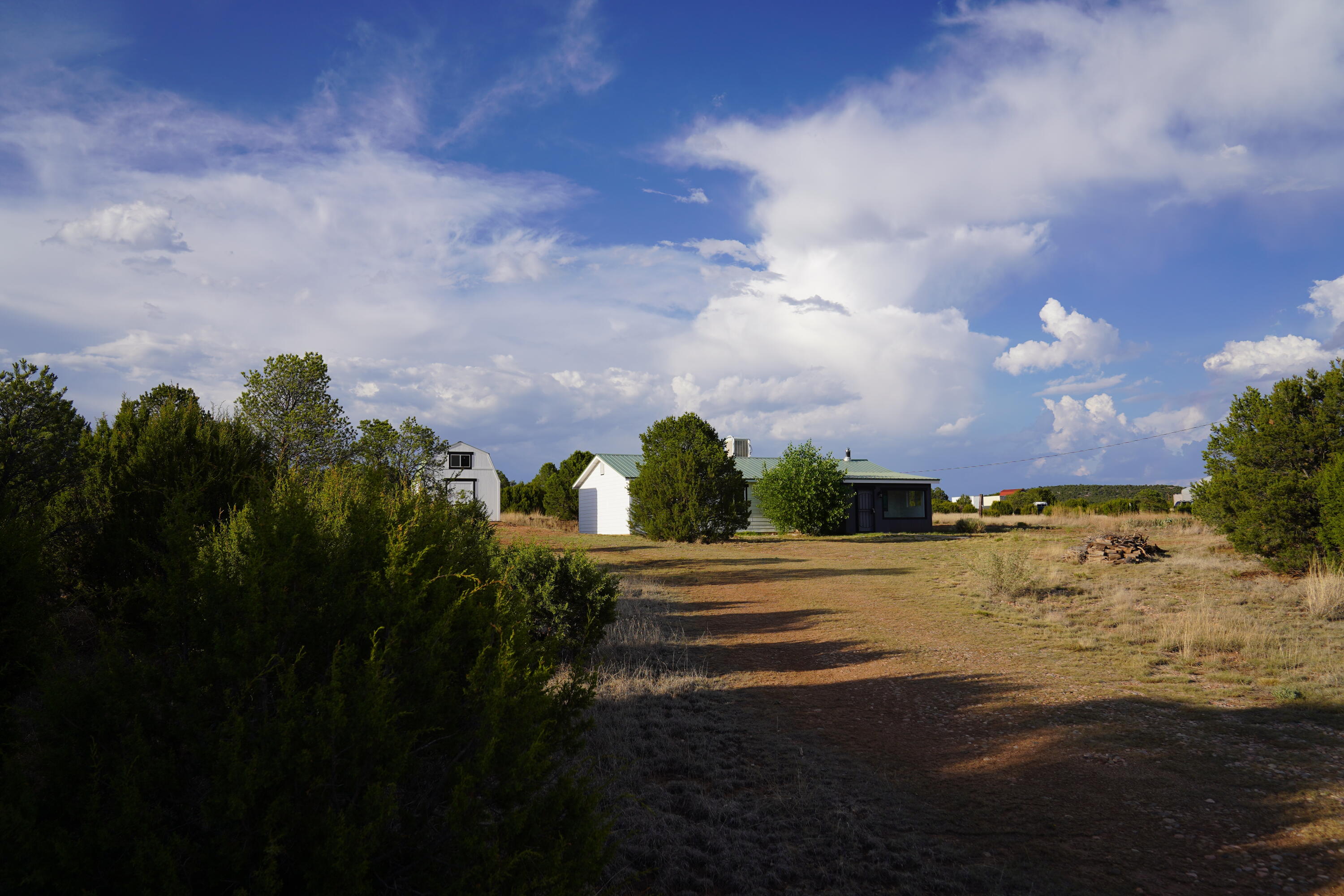
San Miguel County attracts residents looking for open space, mountain landscapes, historic communities, and a slower pace of life in northern New Mexico. Stretching from rolling grasslands and ranch country to forested mountain terrain, the county offers a wide variety of landscapes and property types ranging from historic adobe homes to large ranches and off-grid retreats.
Many buyers are drawn to the area for its privacy, scenic beauty, and access to outdoor recreation. The county includes portions of the Santa Fe National Forest, the Carson National Forest, and nearby wilderness areas that provide opportunities for hiking, horseback riding, fishing, hunting, camping, and wildlife viewing throughout the year.
Communities throughout the county, including Las Vegas, Pecos, Rowe, and rural mountain areas, maintain strong ties to New Mexico’s historic and cultural traditions. Residents appreciate the combination of rural living, dark night skies, and larger acreage properties while still having access to restaurants, healthcare, schools, and shopping in nearby towns. For many buyers, San Miguel County offers an opportunity to experience authentic northern New Mexico living surrounded by history, nature, and wide-open landscapes.
“I’ve personally invested in recreational property within San Miguel County and spend a great deal of time exploring the area’s mountain landscapes, backroads, and rural communities. That firsthand experience allows me to better guide buyers and sellers while sharing the lifestyle, scenery, and unique opportunities that continue to draw people to this part of northern New Mexico.”
HISTORY
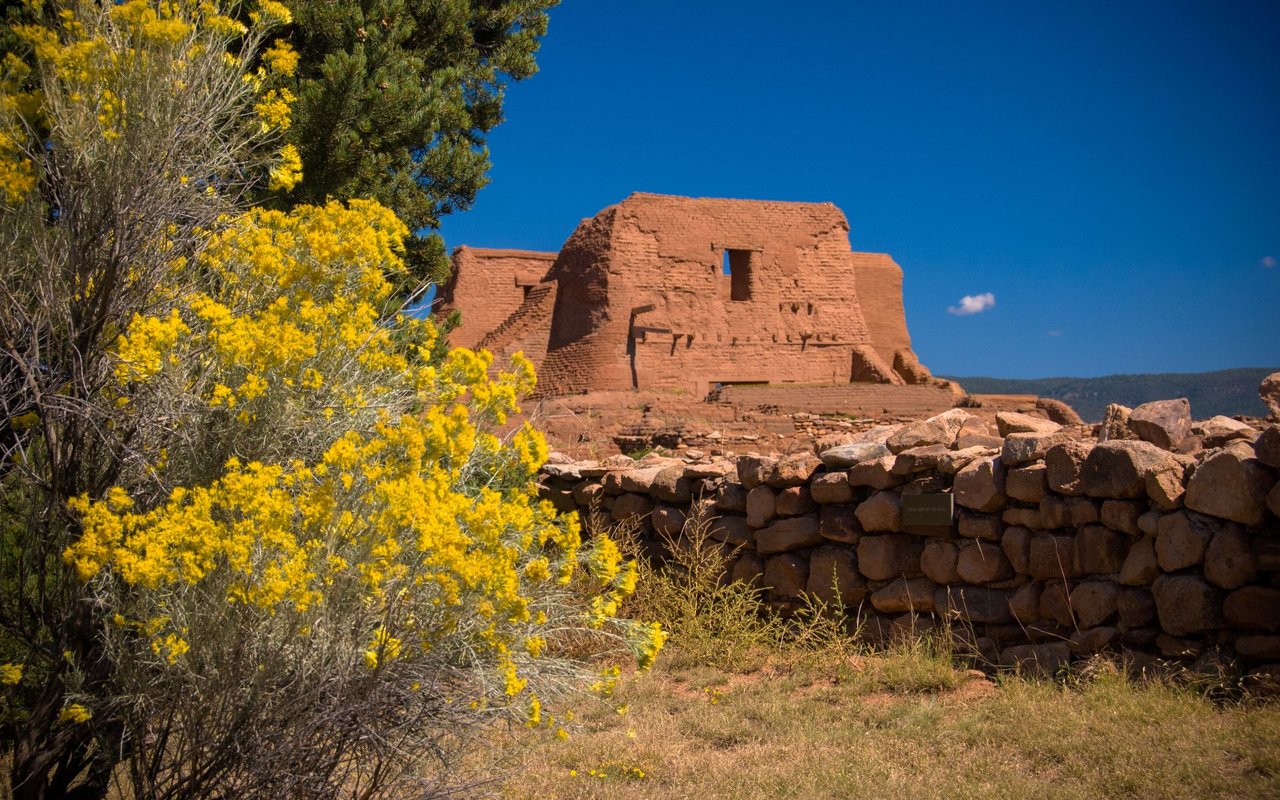
San Miguel County has a long history shaped by Native American cultures, Spanish settlement, trade routes, ranching, and the expansion of the American West. Long before European settlement, Indigenous peoples traveled through and lived within the region, using the area’s rivers, grasslands, and mountain corridors for trade and seasonal movement.
Spanish settlers began establishing communities in the area during the 1700s, bringing ranching, farming, and adobe village development to the region. The area surrounding present-day Las Vegas, New Mexico became an important agricultural and trade center during the Spanish colonial period and later under Mexican rule following Mexico’s independence from Spain in 1821.
After the Santa Fe Trail opened in the 1820s, San Miguel County became a major transportation and commercial corridor connecting Missouri to Santa Fe. Merchants, traders, settlers, and military expeditions regularly traveled through the region, contributing to rapid growth throughout the 1800s.
With the arrival of the railroad in the late 19th century, communities throughout the county continued to expand. Today, San Miguel County remains known for its historic adobe architecture, ranching heritage, mountain landscapes, and deep cultural ties to northern New Mexico’s history.
HIGHLIGHTS
Lush Landscapes & Open Space
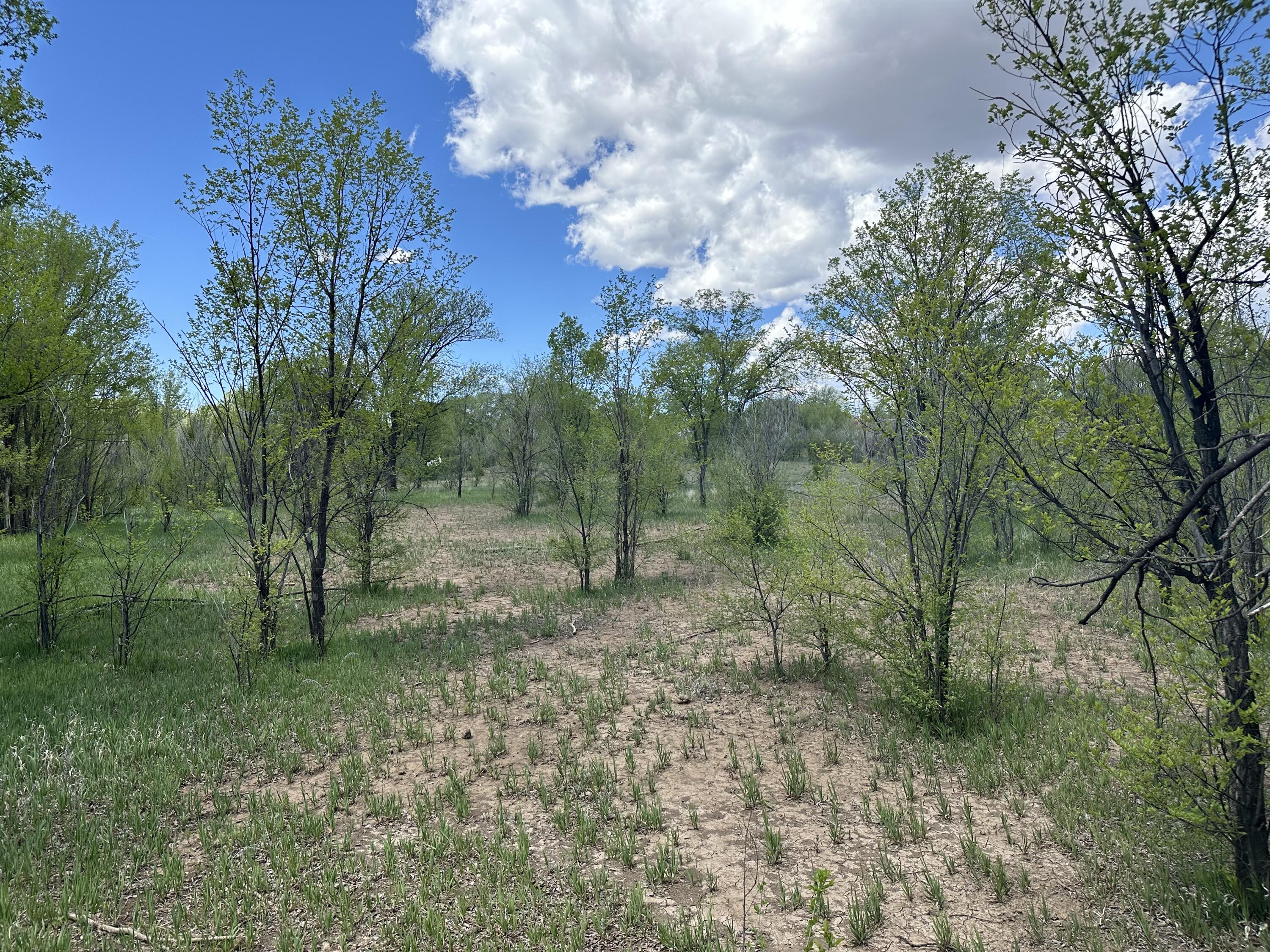
San Miguel County is known for having some of the greener landscapes in northern New Mexico, with rolling grasslands, rivers, forests, and mountain terrain throughout the region. Higher elevations and seasonal moisture create a landscape that feels noticeably more lush than many other parts of the state.
Las Vegas, New Mexico
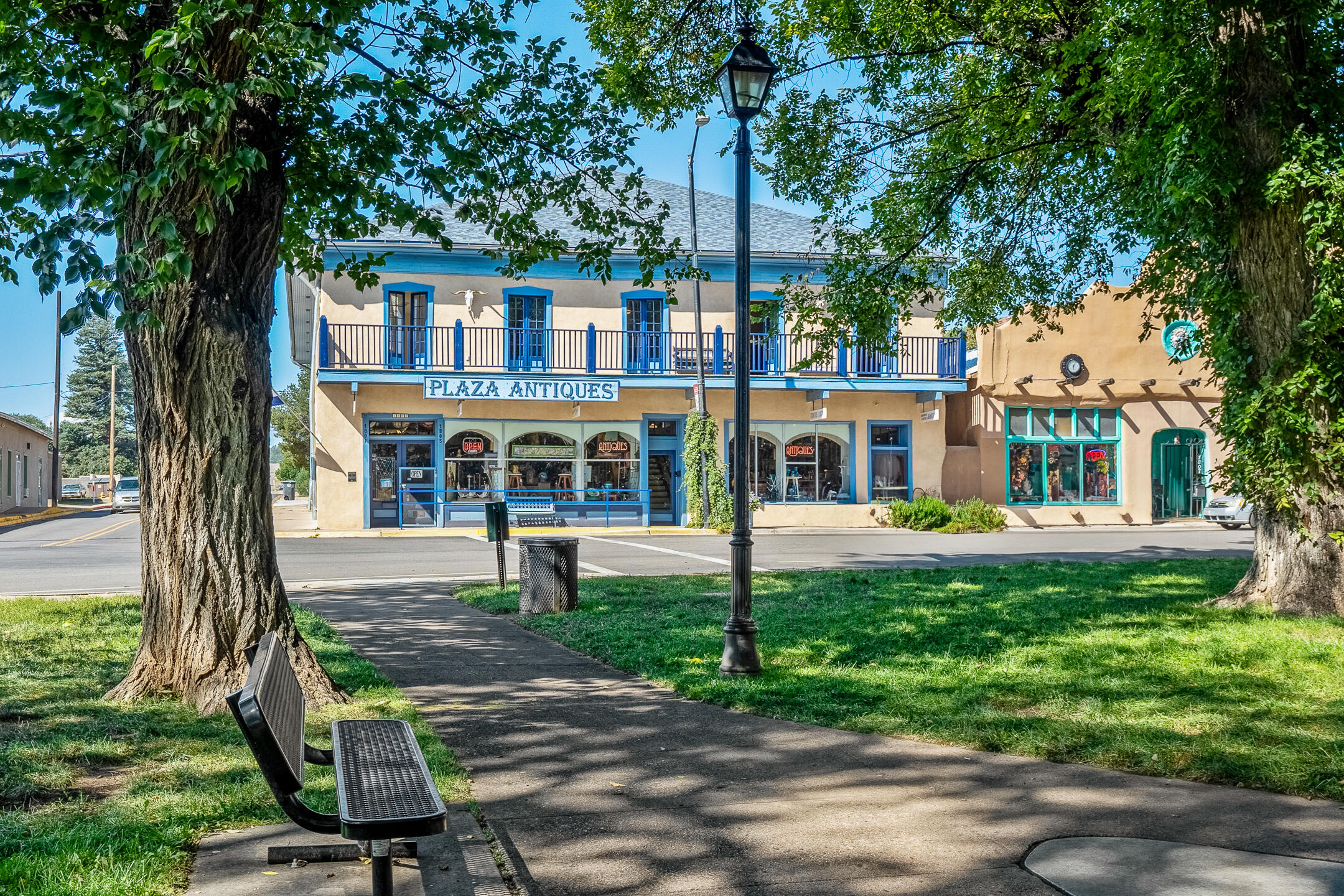
Las Vegas serves as the cultural and commercial center of San Miguel County, known for its historic architecture, vibrant downtown, and deep ties to the Santa Fe Trail. Residents appreciate its blend of history, local businesses, healthcare services, schools, and access to outdoor recreation throughout northern New Mexico.
The UNM Branch
The University of New Mexico Highlands University presence in Las Vegas contributes to the area’s educational opportunities and community resources. The local colleges bring students, cultural events, continuing education programs, and economic activity to the region.
More Land & Greater Value
Compared to many areas closer to Santa Fe, San Miguel County often offers more affordable housing, larger properties, and greater acreage opportunities. Buyers are frequently drawn to the area for its combination of natural beauty, privacy, and value within northern New Mexico.