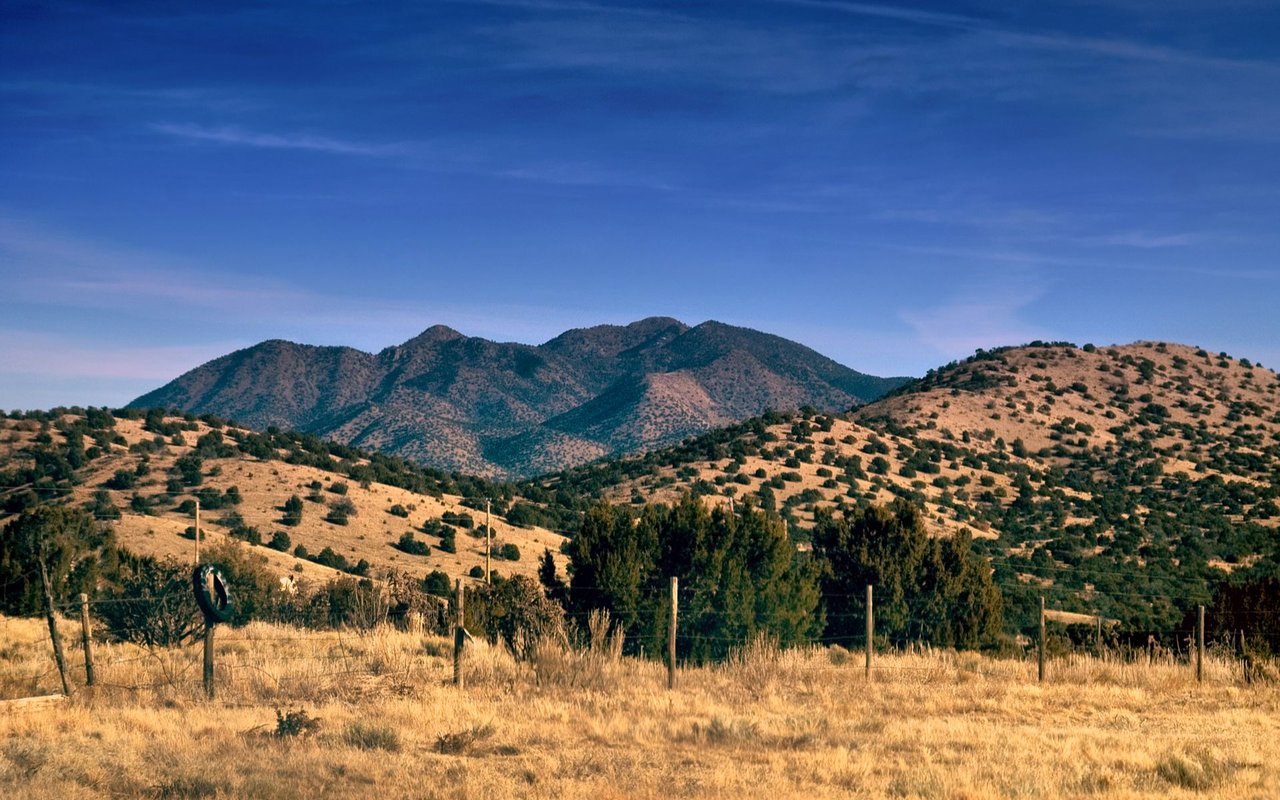
Welcome to East Mountain
The East Mountains of central New Mexico offer a mountain lifestyle with cooler temperatures, forested landscapes, and convenient access to Albuquerque. Communities including Tijeras, Cedar Crest, Sandia Park, Edgewood, and surrounding areas attract residents looking for more space, privacy, and natural beauty while remaining within commuting distance of the city.
One of the region’s biggest draws is access to outdoor recreation. Surrounded by the Cibola National Forest and nearby mountain ranges, residents enjoy hiking, horseback riding, mountain biking, camping, wildlife viewing, and year-round access to trails and open space. The area’s higher elevation also brings cooler summer temperatures, four distinct seasons, and occasional winter snowfall that many buyers find appealing.
Many properties throughout the East Mountains offer larger lots, wooded settings, mountain views, and opportunities for horse ownership or rural living. Residents are often drawn to the area for its quiet pace of life, dark night skies, and strong sense of community.
For buyers seeking a balance between mountain living and everyday convenience, the East Mountains provide easy access to Albuquerque’s employment centers, shopping, healthcare, restaurants, and airport while still maintaining the feeling of living surrounded by nature.
HISTORY
The East Mountains of central New Mexico encompass the communities and mountain landscapes east of Albuquerque, including Tijeras, Cedar Crest, Sandia Park, and surrounding villages. Long before modern development, Native peoples lived and traveled through the area, utilizing the natural corridors created by Tijeras Canyon and the surrounding Sandia, Manzano, and Manzanita Mountains. Archaeological sites throughout the region, including Tijeras Pueblo, provide evidence of settlement dating back hundreds of years.
Spanish settlers arrived during the 1700s, establishing land grant communities and agricultural settlements throughout the mountain valleys. The area played an important role as a transportation corridor between the Rio Grande Valley and the Great Plains, with travelers, traders, and settlers passing through the mountains for generations.
During the late 1800s and early 1900s, the East Mountains remained largely rural, supported by ranching, small farms, timber operations, and mountain homesteads. Improved roads and the development of Highway 14 encouraged growth throughout the region, while the area's cool mountain climate attracted visitors seeking recreation, summer retreats, and relief from the heat of lower elevations.
Today, the East Mountains retain much of their historic character, combining small mountain communities, scenic forests, and a strong connection to the cultural heritage of central New Mexico.
HIGHLIGHTS
Cooler Mountain Climate
The East Mountains are known for cooler temperatures and four distinct seasons compared to Albuquerque and other lower-elevation areas. Many residents are drawn to the region for its fresh mountain air, seasonal snowfall, and relief from summer heat.
Cibola National Forest
Large portions of the East Mountains border the Cibola National Forest, providing direct access to hiking trails, camping, mountain biking, and horseback riding. The surrounding forested landscape is one of the area’s biggest lifestyle draws for outdoor enthusiasts.
Larger Properties & Acreage
Many homes throughout the East Mountains sit on larger wooded lots or acreage properties that offer privacy and space. Buyers looking for horse properties, workshops, detached garages, or room to spread out are often attracted to the area.
Easy Access to Albuquerque
Despite its rural mountain setting, the East Mountains remain within commuting distance of Albuquerque via Interstate 40 and Highway 14. Residents appreciate being able to enjoy mountain living while still having convenient access to shopping, healthcare, restaurants, and employment centers.
Wildlife & Natural Beauty
The area is home to deer, elk, wild turkeys, and a wide variety of native wildlife commonly seen throughout the mountains and forests. Towering pines, dramatic ridgelines, and expansive views create a scenic setting that feels removed from the city.
Small Mountain Communities
Communities such as Cedar Crest, Sandia Park, Tijeras, and Edgewood each offer their own character while maintaining a strong sense of local community. Residents are often drawn to the slower pace of life and the close connection to the surrounding landscape.
Outdoor Recreation
The East Mountains provide year-round access to hiking, mountain biking, skiing, camping, and equestrian recreation. Nearby trail systems and public lands make it easy for residents to spend time outdoors without traveling far from home.
Dark Night Skies
Many areas throughout the East Mountains experience very little light pollution, allowing for exceptional nighttime stargazing. The darker skies and quiet surroundings add to the peaceful atmosphere that attracts many homeowners to the region.